
Custom Solutions
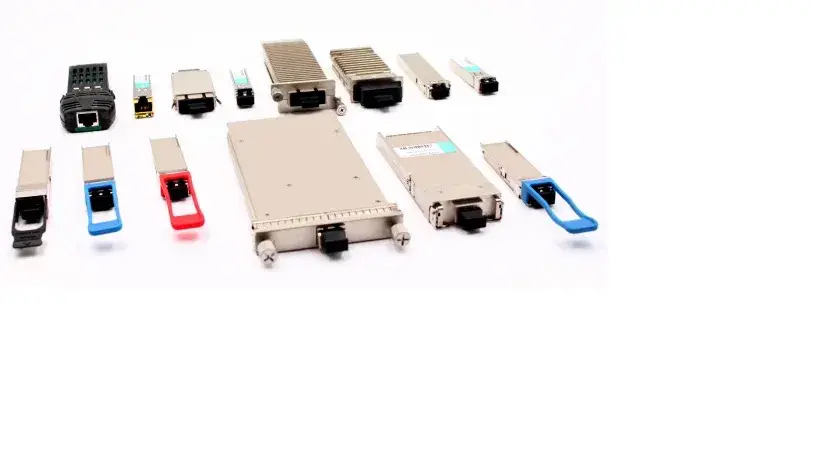
More and more customers want to take advantage of the cost savings and flexibility offered by custom optical transceiver solutions
Specialized Laboratory
NEXSA’s telecommunications testing laboratory is well-equipped with most of the telecommunications network equipment used worldwide, allowing us to replicate your network and develop custom optical transceivers that meet your specific needs.

Cost Savings
Custom optical transceivers can offer significant cost savings compared to standard solutions, as they are designed to precisely fit the requirements of your network

Flexible Design
Our team can work closely with you to design and manufacture optical transceivers tailored to your unique specifications, ensuring optimal performance and compatibility within your network.

Technical Expertise
Thanks to our extensive experience in the telecommunications sector, we have the technical knowledge and resources necessary to provide high-quality custom optical transceivers that exceed your expectations.

Interoperability
Providing optical transceivers that offer interoperability between legacy systems and current-generation systems.

Cost Reduction
Reduction of the transceiver portfolio and minimization of the number of variants to lower maintenance and inventory costs.

Flexibility
Enable seamless integration of new and existing systems, ensuring a smooth transition for customers.

Just-in-Time Coding
It describes a custom coding solution where basic modules are centralized for a specific customer and then coded for the appropriate device using a 'just-in-time' methodology, tested, and shipped immediately.

Centralized Modules
La solución permite a las empresas mantener sus módulos básicos de forma centralizada en nombre de un cliente concreto, lo que garantiza la eficacia y el control del código base.

On-Demand Coding
When support for a specific device is needed, centralized modules are coded for that device using a just-in-time approach, enabling fast delivery and reduced inventory.

Testing and Shipping
The coded modules undergo thorough testing and are immediately shipped to the customer, ensuring on-time delivery and quality control.